A safety valve is an automatic pressure relief device that protects equipment and personnel by releasing excess fluid (gas, steam, liquid) when pressure exceeds a preset limit, preventing catastrophic failure; it opens rapidly to vent pressure and then re-seals once normal conditions are restored, acting as a critical last line of defense in industrial systems like boilers, vessels, and pipelines.
Key Characteristics & Function
- Automatic Operation: Works without external power, using the fluid's own energy.
- Overpressure Protection: Designed solely to relieve excessive internal pressure in a system.
- Set Pressure: Opens when pressure reaches a specific, predetermined point.
- Pop Action: Often characterized by a rapid, full opening (pop) for maximum flow, though some open proportionally.
- Re-closure: Closes automatically after pressure drops back to normal.
Components & Mechanism (Spring-Loaded Example)
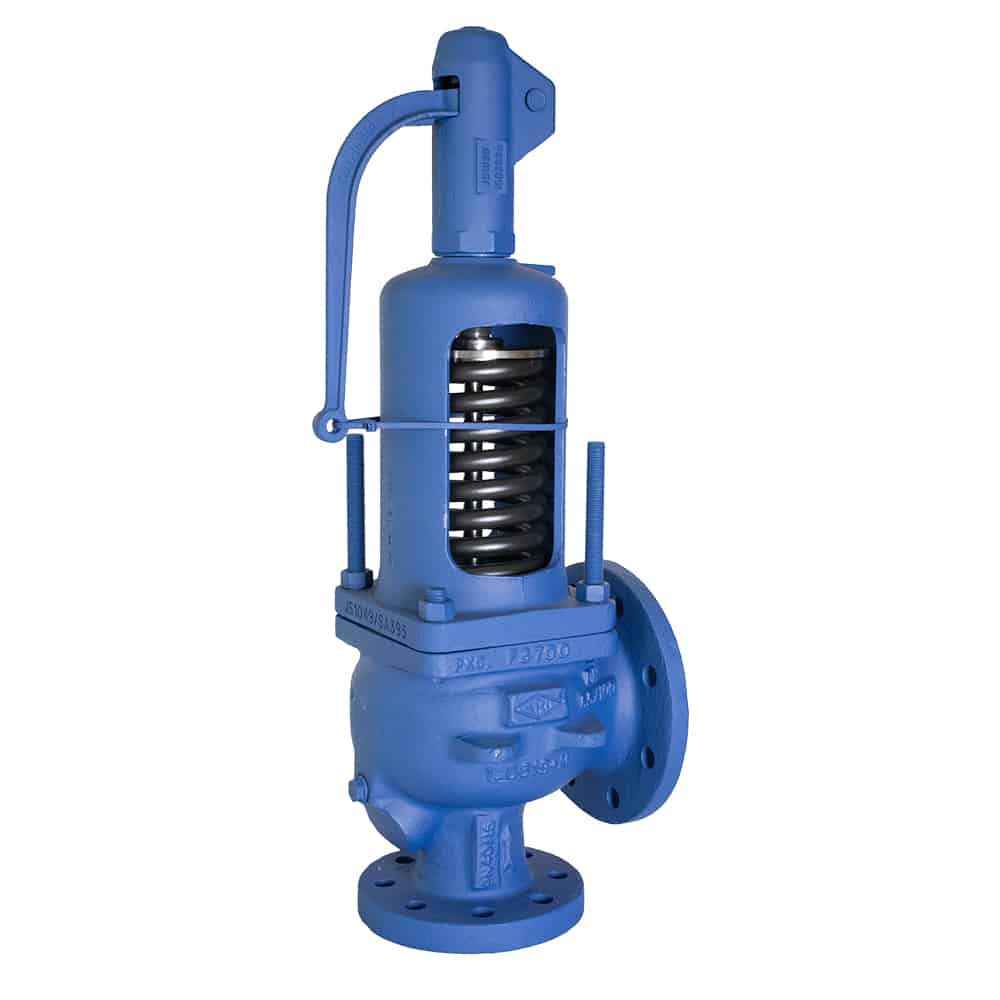
- Disc & Seat: A movable disc presses against a stationary seat to seal the valve; the pressure lifts the disc off the seat to allow flow.
- Spring: A spring holds the disc closed against system pressure; the force of the fluid must overcome the spring force to open the valve.
- Nozzle: The opening where the fluid is discharged.
- Lever (Optional): A manual lifting lever is often included for testing and emergency use.
Why They're Used
- Prevent Explosions/Damage: Protects against boiler explosions, turbine damage, and vessel rupture.
- Ensure Safety: Safeguards workers and the environment.
- Maintain Stability: Keeps equipment within safe operating parameters during unexpected events like control valve failures or human error.